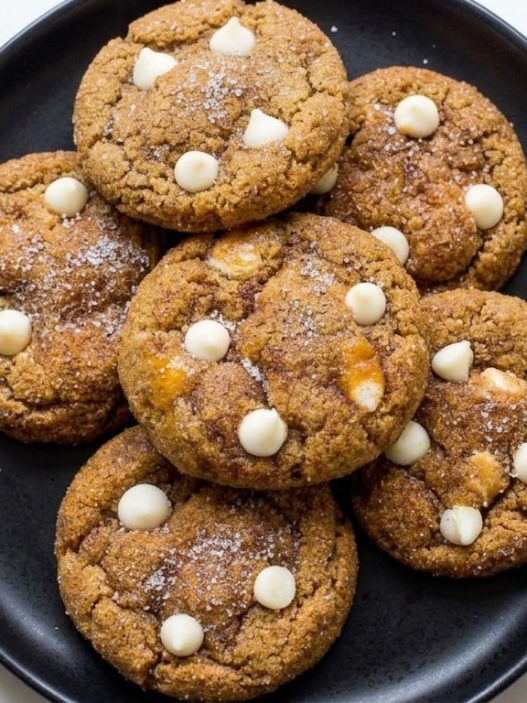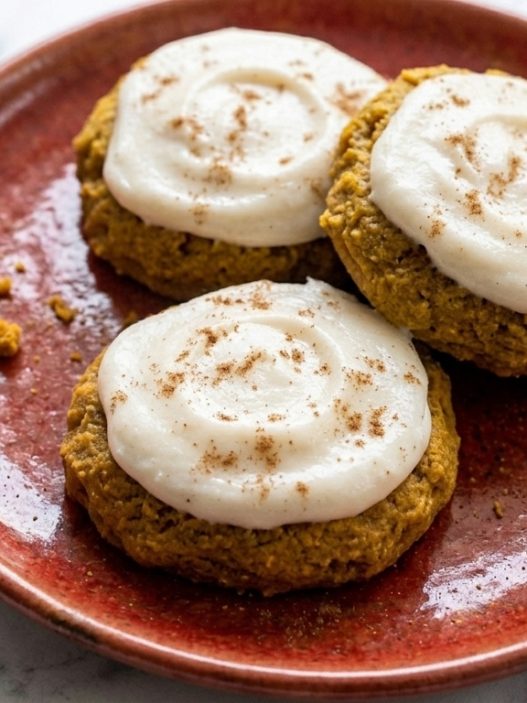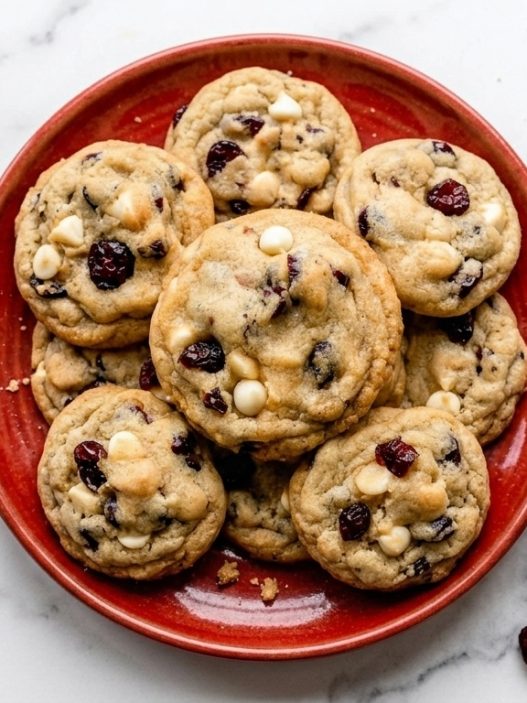


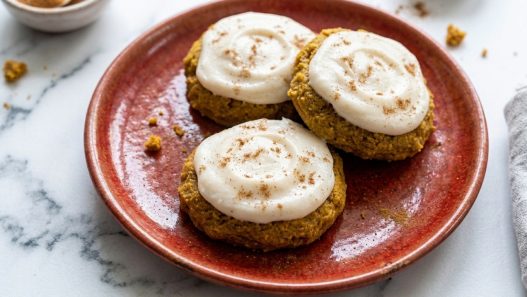


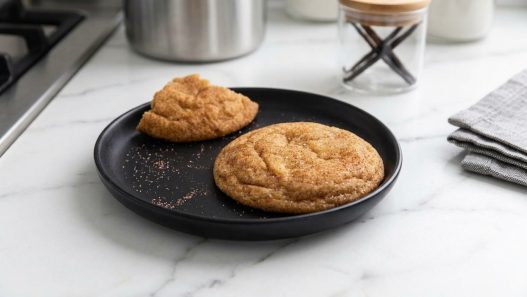
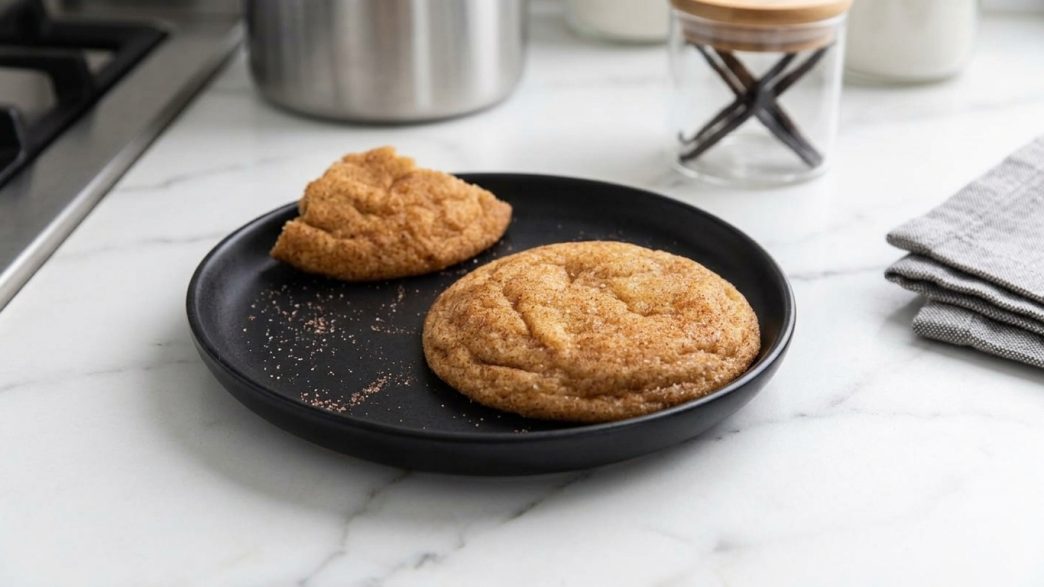
These Maple Pumpkin Snickerdoodle Cookies are thick and chewy, made with nutty brown butter, real maple syrup, pumpkin, and a maple cinnamon sugar coating. The maple and pumpkin are cooked down together in the pan with the butter, which drives off the excess moisture and concentrates both flavors at once. They keep well for days and make a good change from the usual fall cookie tray.
What Makes These Maple Pumpkin Snickerdoodle Cookies Great?
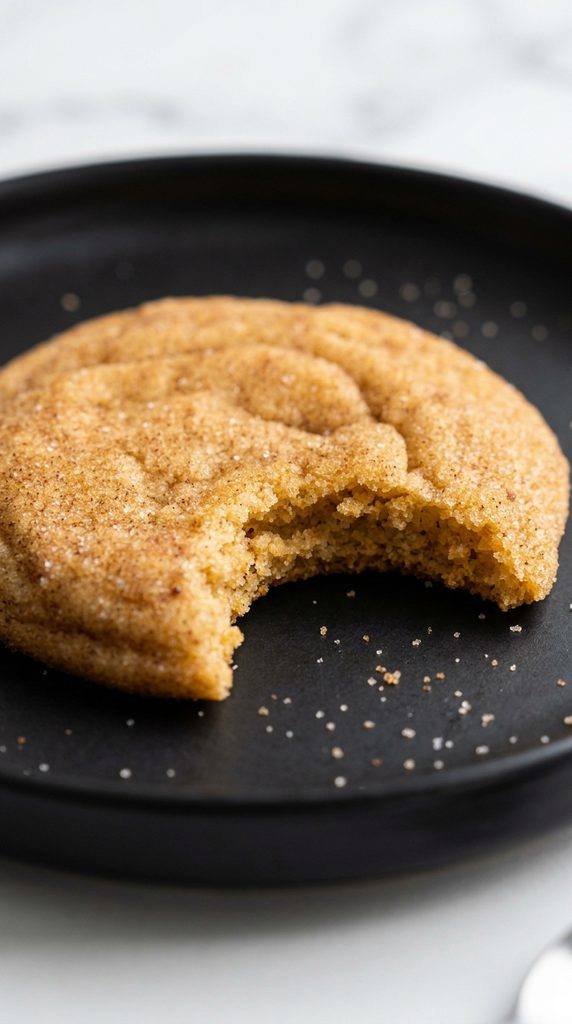
Maple is a difficult flavor to get into a baked cookie. Poured straight into dough, the syrup adds water and most of what you can taste bakes away. Cooking it down in the pan with the pumpkin solves both problems at once, and browned butter gives the maple something to lean on rather than making it work alone.
- Maple you can actually taste, reducing the syrup in the pan concentrates it instead of letting it bake off.
- Brown butter and maple belong together, both bring toasted, caramel notes, so they build on each other rather than competing.
- No cakey pumpkin cookies here, cooking the pumpkin down removes the moisture that makes pumpkin cookies puff.
- No paper towels and no thermometer, everything happens in one pan and the pumpkin cools the butter as it goes in.
- One pan, no mixer, a skillet, a whisk, a spatula, and two bowls are all you need.
- Freezer-friendly, both the baked cookies and the portioned dough freeze well.
The Maple Brown Butter Pumpkin Base
Browning the butter toasts the milk solids and gives you a deep, nutty flavor. That base is what makes maple work here. On its own in a plain butter dough, maple tends to read as generic sweetness, but against browned butter and dark brown sugar it holds its own.
The maple syrup and pumpkin go into the pan together and reduce as one. It might seem tidier to cook the syrup down first, but the pumpkin puree would only dilute it again, so there is nothing gained by splitting the step. Cooking them together for a few extra minutes gets you to the same place with less to watch.
Use dark maple syrup, sold as Grade A Dark Robust. Golden and amber grades are too delicate to survive baking and you will lose the flavor you paid for.
What You’ll Need for the Cookie Dough
- 1 cup (226 g) unsalted butter, browning it concentrates the butter and adds a toasted, nutty flavor that carries the maple.
- 1/3 cup (105 g) pure maple syrup, use dark grade for a flavor strong enough to survive the oven, and never pancake syrup.
- 3/4 cup (180 g) pumpkin puree, use plain pumpkin puree, not pie filling.
- 1 1/2 teaspoons pumpkin pie spice, dialed back slightly so the spice supports the maple instead of burying it.
- 3/4 cup (165 g) packed dark brown sugar, adds moisture, chewiness, and a molasses depth that sits well with maple.
- 2 tablespoons (25 g) granulated sugar, kept low because the maple syrup is already bringing sweetness.
- 2 large egg yolks, provide richness and structure without adding as much water as whole eggs.
- 1 1/2 teaspoons vanilla extract, rounds out the brown butter without competing with the maple.
- 1/2 teaspoon maple extract, optional but worth using, as it carries the maple flavor through the bake.
- 2 cups (250 g) all-purpose flour, slightly more than a plain pumpkin cookie needs, to balance the liquid the syrup brings.
- 1 teaspoon cream of tartar, gives the cookies their snickerdoodle tang and keeps the crumb soft.
- 3/4 teaspoon baking soda, reacts with the cream of tartar for lift and encourages browning.
- 3/4 teaspoon fine sea salt, balances the sweetness and makes both the maple and brown butter carry.
The Maple Cinnamon Sugar Coating
The coating is doing more work here than in an ordinary snickerdoodle. Baked maple fades, but maple sugar on the outside of the cookie hits your tongue first and undiluted, so this is where most of the flavor actually registers.
Maple sugar is worth seeking out for this reason. If you cannot find it, plain granulated sugar still gives you the classic crackly crust, and the maple extract in the dough will carry the flavor instead.
What You’ll Need for the Maple Cinnamon Sugar
- 1/3 cup (67 g) maple sugar, or granulated sugar, creates the sparkling snickerdoodle coating and delivers the clearest maple flavor.
- 1 teaspoon ground cinnamon, adds a warm cinnamon layer to the outside of each cookie.
- 1/2 teaspoon pumpkin pie spice, ties the crust back to the spiced dough.
How to Make Maple Pumpkin Snickerdoodle Cookies
Brown the Butter
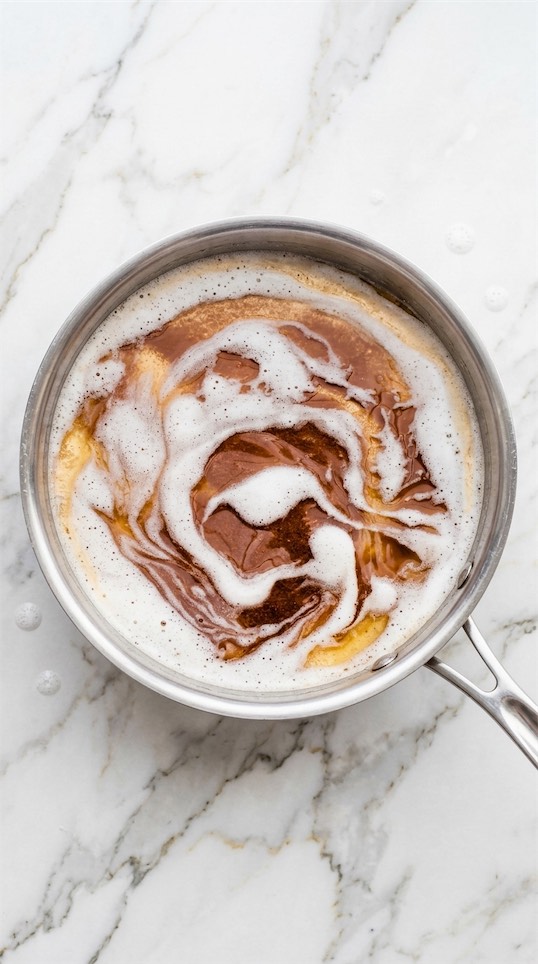
Place the butter in a light-colored skillet or wide saucepan over medium heat. Once it melts it will foam and crackle as the water cooks away, so stir or swirl regularly. After 5 to 8 minutes the milk solids on the bottom will turn golden brown and the butter will smell warm and nutty. Watch closely toward the end, as it goes from browned to burnt quickly.
Cook Down the Maple, Pumpkin, and Spices
Lower the heat to medium-low, then add the maple syrup, pumpkin puree, and pumpkin pie spice to the pan. Stand back for a moment, as it will hiss and bubble hard when it meets the hot butter. Stir everything together and let it simmer, stirring often and scraping the base of the pan so nothing catches.
Over 10 to 16 minutes the mixture will darken and thicken into a glossy, fragrant paste. There is more liquid to drive off here than in a plain pumpkin version, so expect it to take longer. Go by what you see rather than the clock, as pan width changes the timing considerably.
It is ready when dragging your spoon across the bottom leaves a clear trail for a second before it fills back in. Take it off the heat at that point. Slightly under is much better than slightly over, as the sugars in the maple and the browned milk solids underneath will both scorch once the moisture has gone.
Cool the Mixture
Scrape everything from the pan into a large heatproof mixing bowl and let it cool for about 25 minutes, stirring once or twice.
It needs to be warm rather than hot before the egg yolks go in. If the bowl feels comfortably warm against the back of your hand, it is ready.
Whisk in the Sugars
Add the dark brown sugar and granulated sugar to the bowl and whisk firmly for about 1 minute.
The mixture will thicken and turn glossy and should fall from the whisk in soft clumps. It will look darker and richer than an ordinary cookie base, which is what you want.
Add the Yolks and Flavorings
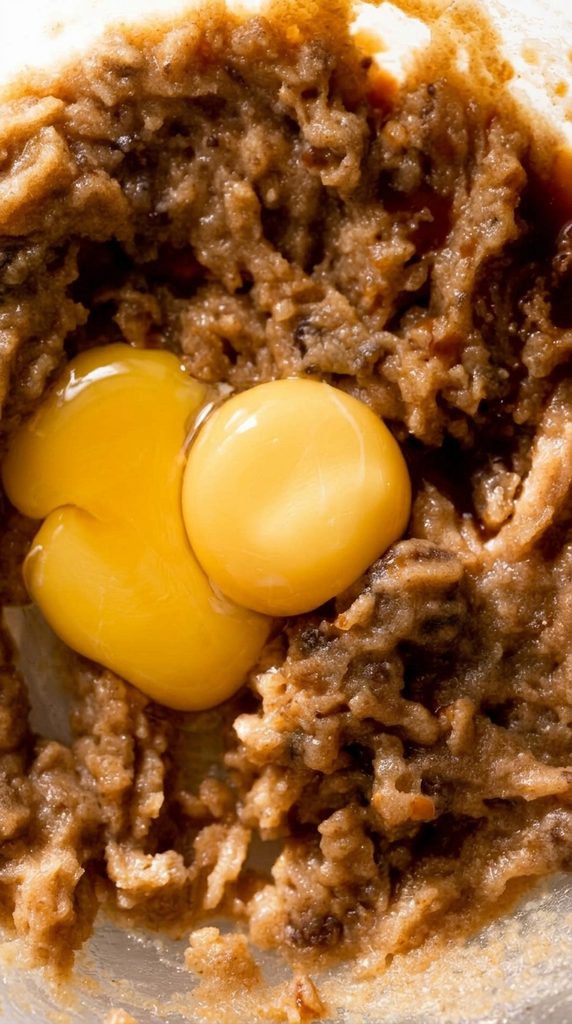
Whisk in the egg yolks one at a time until the mixture is smooth, then whisk in the vanilla and maple extract. The base should now be thick and glossy, closer to a caramel than a batter.
Fold in the Dry Ingredients
Add the flour, cream of tartar, baking soda, and salt directly to the bowl. Fold everything together with a rubber spatula, stopping as soon as the last dry streaks of flour disappear.
Do not work the dough once the flour is in, as overmixing makes the cookies tough rather than tender.
Chill the Dough
Cover the bowl and refrigerate for 45 minutes to 1 hour. This dough carries more liquid than a plain pumpkin version because of the syrup, so it needs longer than you might expect. It is ready when a scoop of dough holds its shape rather than slumping.
Heat the Oven and Mix the Coating
Heat the oven to 350°F and line 2 baking sheets with parchment paper. Stir the maple sugar, cinnamon, and pumpkin pie spice together in a small shallow bowl and set it beside your work area.
Roll and Coat the Cookies
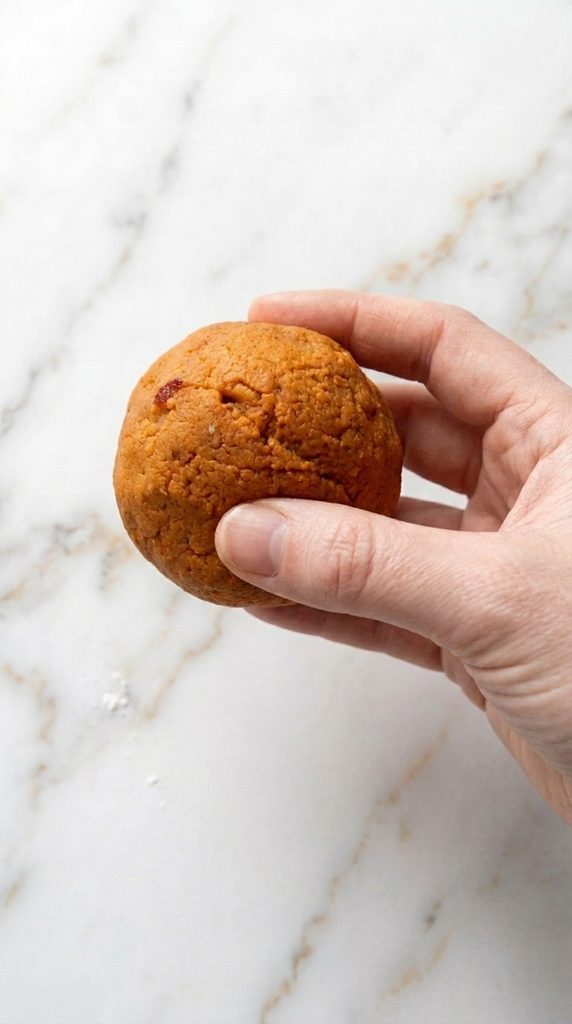
Scoop about 2 tablespoons of chilled dough per cookie and roll it smooth between your palms. Roll each ball generously through the spiced sugar until fully coated, then arrange them on the prepared sheets about 3 inches apart. Be heavy-handed with the coating, since this is where most of the maple flavor comes through.
Bake Until the Centers Are Soft
Bake 1 sheet at a time for 10 to 12 minutes. The cookies are ready when the edges look set and golden but the centers are still puffed and slightly underdone.
Maple sugar browns faster than plain granulated, so start checking at 9 minutes if you are using it.
Cool Before Serving
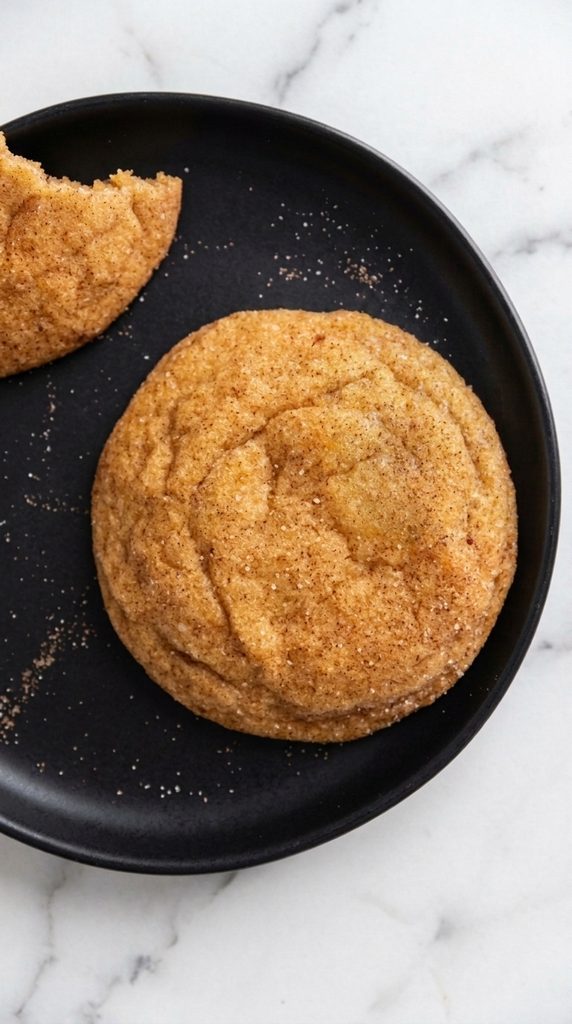
Leave the cookies on the baking sheet for at least 10 minutes. They will settle and flatten slightly as they cool, which is when the chewy texture develops.
Move them to a wire rack with a thin spatula once they are firm enough to lift, and let them cool almost completely before eating.
Variations and Customizations
The reduced maple, browned butter, and cream of tartar carry the flavor and texture, so keep those. Everything else is open.
- Add toasted pecans, fold in 1/2 cup finely chopped toasted pecans, which suit maple better than any other nut.
- Add white chocolate, fold in 1/2 cup white chocolate chips for a sweeter, softer version.
- Push the maple further, increase the maple extract to 3/4 teaspoon if you want it unmistakable.
- Make them more cinnamon-forward, add 1/2 teaspoon ground cinnamon to the pan alongside the pumpkin pie spice.
- Add a little bourbon, replace the vanilla with 1 1/2 teaspoons bourbon, which suits the maple and brown butter.
- Flaky salt finish, a pinch on top before baking sharpens the maple considerably.
Toppings, Add-Ons, and Finishing Touches
The maple sugar crust is already doing the work, so these need very little. A small finishing touch is worth it for a dessert table or a cookie box.
- A pinch of flaky sea salt, scatter a little over the warm cookies to cut the sweetness.
- Maple glaze, mix powdered sugar with just enough maple syrup and milk to make a thin drizzle.
- Candied pecans, press a few halves onto the tops before baking.
- Extra maple sugar, dust lightly over the cookies while they are still warm.
Storing, Reheating, and Meal Prep
Store completely cooled cookies in an airtight container at room temperature for up to 3 days, with parchment between layers to protect the coating. A slice of sandwich bread in the container keeps them soft. If you like them slightly warm, microwave one for 5 to 8 seconds.
For longer storage, freeze baked cookies in an airtight container for up to 2 months and thaw at room temperature. Portioned dough balls also freeze well before coating. Thaw them in the refrigerator overnight, let them sit at room temperature for 15 minutes, then roll in the maple sugar and bake as directed.
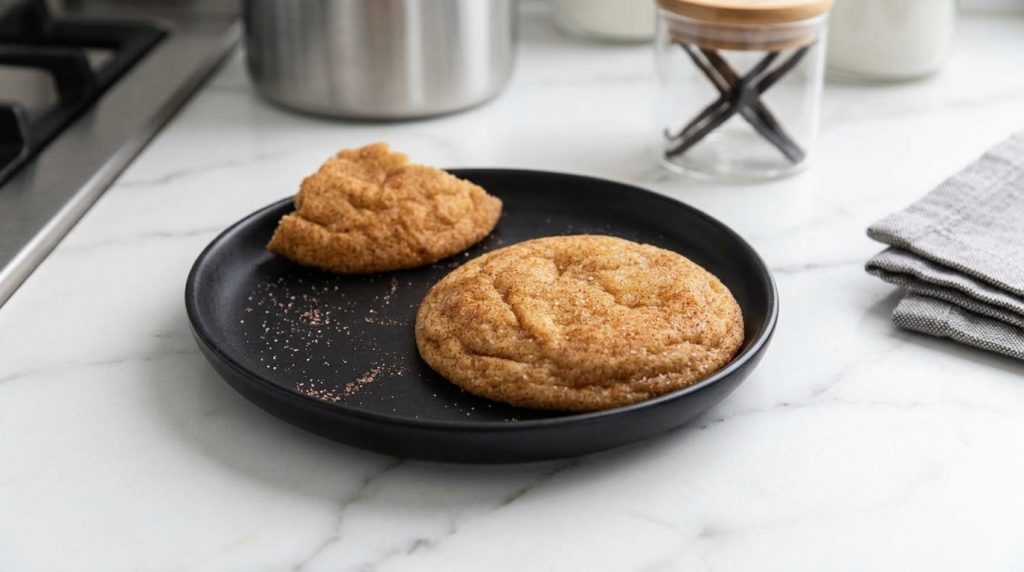

Maple Pumpkin Snickerdoodle Cookies
Description
Thick, chewy maple pumpkin snickerdoodles made with nutty brown butter and rolled in maple cinnamon sugar. The maple syrup and pumpkin are cooked down together in the pan, which drives off the excess moisture and concentrates both flavors at once.
Ingredients
Cookie Dough
Maple Cinnamon Sugar Coating
Instructions
Brown the Butter
-
Place the butter in a light-colored skillet or wide saucepan over medium heat. Once it melts it will foam and crackle as the water cooks away, so stir or swirl the pan regularly. After 5 to 8 minutes the milk solids on the bottom will turn golden brown and the butter will smell warm and nutty. Watch it closely toward the end, as it moves from browned to burnt quickly.
Cook Down the Maple, Pumpkin, and Spices
-
Lower the heat to medium-low, then add the maple syrup, pumpkin puree, and pumpkin pie spice to the pan. Stand back for a moment, as the mixture will hiss and bubble hard when it meets the hot butter. Stir everything together and let it simmer, stirring often and scraping the base of the pan so nothing catches.
-
Over 10 to 16 minutes the mixture will darken and thicken into a glossy, fragrant paste. There is more liquid to drive off here than in a plain pumpkin cookie, so it takes longer than you might expect. Go by what you see rather than the clock, as a wide pan works much faster than a narrow one.
-
It is ready when dragging your spoon across the bottom leaves a clear trail for a second before it fills back in. Take it off the heat at that point. Slightly under is better than slightly over, as the maple sugars and the browned milk solids underneath will both scorch once the moisture has gone.
Cool the Mixture
-
Scrape everything from the pan into a large heatproof mixing bowl and let it cool for about 25 minutes, stirring once or twice. The mixture needs to be warm rather than hot before the egg yolks go in. If the bowl feels comfortably warm against the back of your hand, it is ready.
Whisk in the Sugars
-
Add the dark brown sugar and granulated sugar to the bowl and whisk firmly for about 1 minute. The mixture will thicken and turn glossy and should fall from the whisk in soft clumps. It will look darker and richer than an ordinary cookie base, which is exactly right.
Add the Yolks and Flavorings
-
Whisk in the egg yolks one at a time until the mixture is smooth, then whisk in the vanilla and maple extract. The base should now be thick and glossy, closer to a caramel than a batter.
Fold in the Dry Ingredients
-
Add the flour, cream of tartar, baking soda, and salt directly to the bowl. Fold everything together with a rubber spatula, stopping as soon as the last dry streaks of flour disappear. Try not to work the dough once the flour is in, as overmixing makes the cookies tough rather than tender.
Chill the Dough
-
Cover the bowl and refrigerate for 45 minutes to 1 hour. This dough carries more liquid than a plain pumpkin version because of the syrup, so give it the full time. It is ready when a scoop of dough holds its shape instead of slumping.
Heat the Oven and Mix the Coating
-
Heat the oven to 350°F and line 2 baking sheets with parchment paper. In a small shallow bowl, stir together the maple sugar, cinnamon, and pumpkin pie spice until evenly combined, then set it beside your work area.
Roll and Coat the Cookies
-
Scoop about 2 tablespoons of chilled dough per cookie and roll it smooth between your palms. Roll each ball generously through the maple cinnamon sugar until fully coated, then arrange them on the prepared sheets about 3 inches apart. Be heavy-handed with the coating, as this is where most of the maple flavor comes through.
Bake Until the Centers Are Soft
-
Bake 1 sheet at a time for 10 to 12 minutes. The cookies are ready when the edges look set and golden but the centers are still puffed and slightly underdone. Maple sugar browns faster than plain granulated sugar, so start checking at 9 minutes.
Cool Before Serving
-
Leave the cookies on the baking sheet for at least 10 minutes. They will settle and flatten slightly as they cool, which is when the chewy texture develops. Move them to a wire rack with a thin spatula once they are firm enough to lift, and let them cool almost completely before eating.
Note
Use dark maple syrup, sold as Grade A Dark Robust. Golden and amber grades are too delicate to survive baking. Do not substitute pancake syrup, which is corn syrup and flavoring and will taste flat.
If you cannot find maple sugar, use the same amount of granulated sugar in the coating. The maple extract in the dough will carry the flavor instead.
Use plain canned pumpkin puree rather than pumpkin pie filling, which is already sweetened and spiced.
The reduction time varies a great deal with pan width, so rely on the spoon trail rather than the clock. Once the water has cooked off, the pan heats quickly and the maple sugars will catch, so pull it off the heat as soon as the trail holds.
Only the yolks are used because whole eggs bring extra water into a dough that already carries moisture from the pumpkin and syrup.
Cream of tartar provides the tang and soft crumb of a true snickerdoodle. If you have none, replace it and the baking soda with 2 1/4 tsp baking powder, though the flavor will be milder.
If the cookies bake up puffy and cakey, the mixture needed longer in the pan. If they spread thin, the dough was too warm and needs a longer chill.
Store cooled cookies in an airtight container at room temperature for up to 3 days, with parchment between layers to protect the coating. A slice of sandwich bread in the container keeps them soft.
Baked cookies freeze for up to 2 months. Portioned dough balls also freeze well before coating. Thaw in the refrigerator overnight, let them sit at room temperature for 15 minutes, then roll in the maple sugar and bake as directed.